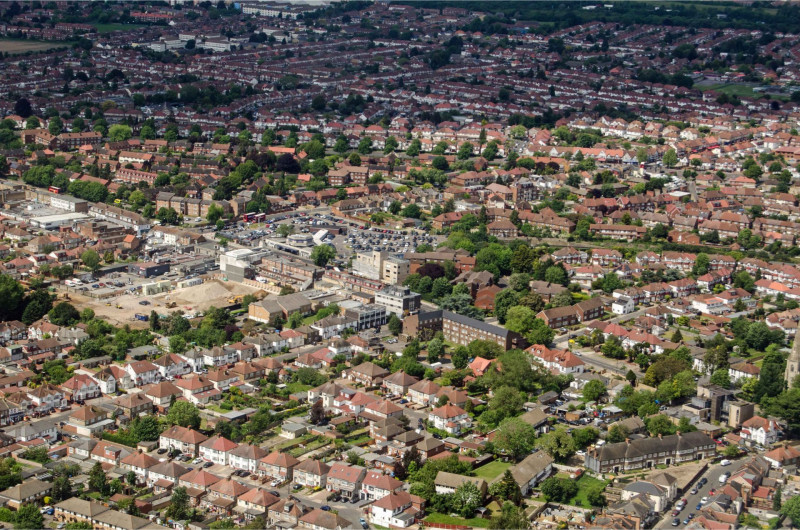
“Did you know Hounslow saw a 6% increase in property prices last year alone?”
The decision between renting and buying is not purely financial, it is closely tied to your lifestyle, future plans, and how well you understand the local property landscape. If you are considering making a move in Hounslow, you are in good company. This West London borough has seen a steady rise in popularity among young professionals, families, and property investors alike.
This guide explores the financial, lifestyle, and investment implications of both renting and buying in Hounslow in 2025. Whether you are a first-time buyer evaluating your long-term options, or a renter seeking flexibility and convenience, this comprehensive breakdown will help you make a decision that fits your personal and financial goals.
The Property Landscape in Hounslow (2025 Update)
Hounslow is strategically positioned in West London with excellent access to the city via the Piccadilly Line, South Western Railway, and major road links such as the M4 and A4. It is also located within easy reach of Heathrow Airport, making it attractive to both domestic commuters and international travellers.
In 2025, the area continues to benefit from large-scale regeneration projects, especially around the High Street Quarter. These developments have brought new homes, retail spaces, and improved public facilities, increasing the borough’s appeal for both buyers and tenants. Hounslow has developed into a vibrant and well-connected community that offers a balance between city accessibility and suburban living.
Property prices in the borough have experienced consistent growth, with strong demand driving up values. The average rental for a one-bedroom flat ranges from £1,400 to £1,500 per month. Two-bedroom homes typically rent for about £1,750 per month, while three-bedroom houses can fetch upwards of £2,200 per month. Buyers can expect to pay around £300,000 for a one-bedroom flat, £420,000 for a two-bedroom home, and over £550,000 for a three-bedroom house.
For those considering a property purchase, areas such as Hounslow East, Osterley, and Cranford are popular due to their transport links and family-friendly amenities. Renters often favour locations like Hounslow Central, Lampton, and Spring Grove, which offer excellent convenience and access to local services.
Cost Breakdown: Renting vs Buying in Hounslow
When comparing the cost of renting and buying, it is essential to look beyond monthly payments and consider upfront costs and long-term financial commitments.
Renting in Hounslow typically requires a one-month security deposit and one month’s rent paid in advance. This makes it an accessible option for individuals who may not yet have substantial savings. Monthly rent can range from £1,400 to over £2,200 depending on property type and location. Additional costs may include letting agent fees, contents insurance, and the possibility of rent increases over time.
Buying a property, on the other hand, requires a more significant initial investment. Buyers usually need to put down a deposit of at least 5 to 10 percent of the property’s value. Other upfront costs include stamp duty, legal fees, and mortgage arrangement charges. Monthly mortgage repayments can range from £1,200 to £2,000 or more, depending on the loan size, interest rate, and term. Buyers must also account for building insurance, maintenance expenses, and any unforeseen repairs.
While renting is generally more affordable in the short term, buying a home can offer better long-term value through equity building and protection against rising housing costs.
Pros and Cons of Renting in Hounslow
Renting a property in Hounslow provides a level of flexibility that is difficult to match. It is ideal for people who may need to relocate for work, travel frequently, or are still exploring where they want to settle long term. Tenants have fewer financial responsibilities compared to homeowners, as landlords are typically responsible for maintenance and repairs. This can ease the burden of unexpected costs and simplify budgeting.
Another benefit of renting is the ability to live in central or high-demand areas without the long-term financial commitment of homeownership. For professionals or students looking for convenience and proximity to amenities or transport links, renting can be the most practical option.
However, there are limitations to consider. Tenants may face rent increases, especially in areas with high demand. There is also less security and control over the living space, landlords may choose not to renew a tenancy, and personalisation of the home is usually restricted. Over time, rent payments do not contribute to any form of asset or equity, which means long-term renters may miss out on wealth-building opportunities associated with property ownership.
Pros and Cons of Buying a Property in Hounslow
Buying a home in Hounslow provides long-term financial benefits, including the ability to build equity and benefit from rising property values. As a homeowner, you have the freedom to customise your living space, undertake renovations, and create a sense of permanence. This is particularly appealing to families and individuals looking to put down roots.
Owning a property also offers stability and protection against rent increases. With a fixed-rate mortgage, your monthly payments remain predictable, helping with long-term financial planning.
However, the initial cost of buying can be high, and the responsibilities are far greater than those of a tenant. Homeowners are responsible for all maintenance, insurance, and any unexpected repairs, which can become costly. Additionally, property values can fluctuate with the market, meaning there is always some level of financial risk involved, particularly in the short term.
Investment Potential: Is Hounslow Worth Buying Into?
Hounslow presents a strong case for property investment in 2025. Rental demand remains high, driven by its location, transport connectivity, and growing infrastructure. Rental yields in the borough typically range from 4.5 to 6.5 percent, depending on the property type and location.
Buy-to-let opportunities are plentiful, particularly near transport hubs like Hounslow Central and Hounslow West. New build developments continue to attract both investors and tenants due to modern amenities and energy-efficient designs. At the same time, period properties in areas like Isleworth offer charm and consistent value growth, appealing to more traditional buyers.
Long-term capital appreciation is another factor that supports buying in Hounslow. Over the past decade, house prices have seen steady growth, and regeneration initiatives suggest continued upward movement. For investors, this makes Hounslow a promising choice in West London’s property landscape.

Lifestyle Considerations: Which Option Fits Your Needs?
Your lifestyle will significantly influence whether renting or buying in Hounslow is the better fit.
Young professionals often choose to rent for greater flexibility, shorter commutes, and the ability to live in vibrant neighbourhoods without being tied down. Renting also allows for easier relocation if job opportunities arise elsewhere.
Families tend to prefer homeownership, which offers stability, access to good school catchment areas, and the ability to customise their living environment. Hounslow boasts several well-rated schools, parks, and family-friendly amenities that make it ideal for settling down.
Retirees and older adults may favour buying as a way to secure housing in later years, avoid rent increases, and potentially pass on equity to future generations. Choosing a low-maintenance property, such as a bungalow or a modern flat, can also make ownership more manageable.
Ultimately, the right option depends on your priorities whether you value flexibility and convenience or long-term stability and investment potential.
Mortgage vs Rent Affordability Check: Which Can You Really Afford?
Understanding what you can afford is one of the most critical steps in deciding whether to rent or buy in Hounslow.
To assess mortgage affordability, prospective buyers should use a mortgage calculator. These tools factor in your income, expenses, deposit, and interest rates to estimate monthly payments. Lenders typically require a stable income, a good credit score, and a debt-to-income ratio under 40 percent. Mortgage approval criteria also consider employment history and other financial commitments.
For renters, the standard rule is that rent should not exceed 30 percent of gross monthly income. A rent affordability calculator can help evaluate what level of rent fits within your budget while leaving room for savings and living expenses.
As an example, someone earning £45,000 per year can comfortably afford up to £1,125 in monthly rent. The same income could also support a mortgage of around £1,400 per month, assuming a reasonable deposit and no significant debts.
Comparing these figures side by side allows you to make a financially sound decision that aligns with your income and lifestyle.
Government Schemes and Support Available in 2025
Several government initiatives can support both renters and first-time buyers in Hounslow in 2025.
The First Homes Scheme offers properties to local first-time buyers at a discount of at least 30 percent below market value. This makes it easier for residents to get a foot on the housing ladder.
Shared ownership options are available through housing associations, allowing buyers to purchase a percentage of a property and pay rent on the remaining share. This approach reduces the deposit and mortgage amount required, making homeownership more accessible.
Renters may be eligible for housing benefits or local council assistance depending on income and circumstances. These schemes can help cover part of the rent or council tax.
Additionally, Lifetime ISAs continue to be a popular savings vehicle for young buyers. The government contributes 25 percent on top of your savings, which can be used towards a home deposit.
Understanding which schemes you qualify for can significantly affect your options, so it is worth consulting a local estate agent or financial adviser for tailored advice.
Final Checklist Questions to Ask Before Deciding
Before making a final decision between renting and buying, consider the following questions:
Are you planning to stay in Hounslow for at least five years? If yes, buying may offer better value.
Can you afford unexpected expenses such as roof repairs, appliance replacements, or legal fees?
Is your income stable, and do you feel confident about your employment over the next several years?
Do you prioritise flexibility or long-term investment? Renting is ideal for flexibility, while buying offers long-term security.
Have you considered your lifestyle goals over the next five to ten years, including family planning, career changes, or retirement?
Reflecting on these questions can help you align your housing decision with your broader life plans.
Why Choose Urban Chapters?
Urban Chapters is more than just an estate agency, it is a trusted partner for people navigating the Hounslow property market. Whether you are renting your first flat, purchasing your family home, or investing in a buy-to-let opportunity, Urban Chapters provides expert support tailored to your journey.
The team offers deep local knowledge and an in-depth understanding of the Hounslow property landscape. Their advice is personalised, and their service is driven by a genuine commitment to client success. Whether it is a property valuation, marketing strategy, or negotiation support, they handle every stage of the process with professionalism and care.
Urban Chapters also uses the latest technology to ensure your property search or sale is smooth and transparent. Their online tools make it easy to view listings, schedule viewings, and stay informed at every step.
Frequently Asked Questions
Is buying cheaper than renting in Hounslow in 2025?
In the long term, buying often works out cheaper than renting, especially in a market like Hounslow where property values are steadily rising. While the initial costs of buying are higher due to deposits, stamp duty, and legal fees, mortgage payments can be lower than rent over time. Moreover, homeownership builds equity, whereas rent does not contribute to any future wealth.
What are the best areas to buy in Hounslow?
Areas such as Hounslow East, Osterley, and Cranford are highly regarded among buyers. These neighbourhoods offer good transport links, access to schools and green spaces, and a mix of property types. The High Street Quarter is also gaining popularity due to new developments and improved infrastructure.
Can I get on the property ladder with a low income?
Yes, there are several schemes designed to help low and moderate-income individuals become homeowners. Shared ownership allows you to buy a share of a property and pay rent on the remainder, significantly reducing your upfront costs. The First Homes Scheme also offers discounted properties to local buyers. Additionally, using a Lifetime ISA can help boost your savings with a government bonus.
Are rents likely to rise in Hounslow?
Given the high demand and limited supply of rental properties in Hounslow, it is likely that rents will continue to rise in the coming years. Areas near transport links and regeneration zones are particularly susceptible to increases. Renters should consider this trend when budgeting or deciding whether to buy.
How can I know if I qualify for a mortgage?
To determine if you qualify for a mortgage, you will need to assess your income, credit score, monthly expenses, and the size of your deposit. Lenders also consider your debt-to-income ratio and employment history. It is advisable to speak with a mortgage broker or estate agent like Urban Chapters, who can guide you through the application process and help you find the most suitable lending products.
Visit urbanchapters.co.uk to view current listings or request a consultation.